Vigilance Fire Safety

Fire Risk Assessments for HMOs

Fixed-fee assessments by a qualified fire risk assessor, covering Milton Keynes, Bedford and the Home Counties.

What is a fire risk assessment for an HMO?

A fire risk assessment for a House in Multiple Occupation (HMO) is a legally required, written evaluation of the fire hazards, escape routes and fire protection in a shared rented property. Under the Regulatory Reform (Fire Safety) Order 2005, the landlord or managing agent, as the responsible person, must complete it, act on its findings and keep it up to date.

Every Vigilance Fire Safety assessment is carried out personally by Ray Amoah, who holds ABBE Level 4, DipFRA, MIFSM and FPA credentials. The report is written to support both Fire Safety Order compliance and council HMO licensing.

Page last reviewed: 1 October 2026.
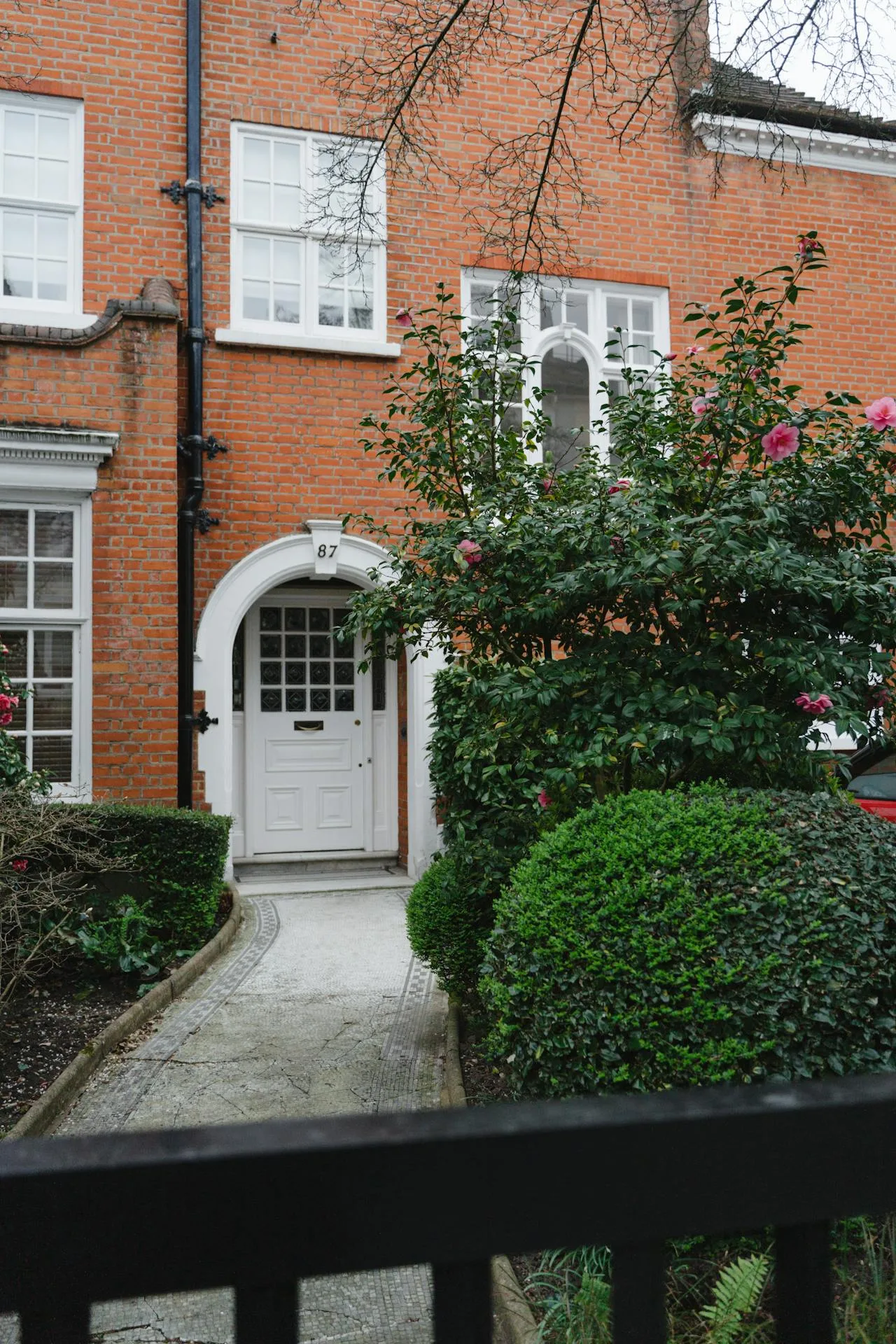
Landlord reviewing HMO fire safety documents

Is my property an HMO, and do I need a licence?

A property is generally an HMO when three or more people from more than one household share facilities such as a kitchen or bathroom. Mandatory licensing applies in England to HMOs let to five or more people from two or more households, and many councils also operate additional licensing for smaller HMOs, so check with your local council.

You need a fire risk assessment whether or not the property is licensed. The Fire Safety Order applies to the shared parts of an HMO, while housing legislation looks at fire hazards across the whole property, so a good assessment addresses both.

What the law requires of HMO landlords

Fire Safety Order 2005

The Regulatory Reform (Fire Safety) Order 2005 requires the responsible person to assess fire risk in the shared parts of an HMO, act on the findings and keep the assessment under review. Serious breaches can lead to an unlimited fine and up to two years’ imprisonment.

Housing Act 2004

Councils license HMOs and assess hazards, including fire, across the whole property. Licensing is mandatory for HMOs with five or more people from two or more households, and many councils also run additional licensing for smaller HMOs. Licence conditions commonly include fire safety requirements.

HMO Management Regulations 2006

The Management of Houses in Multiple Occupation (England) Regulations 2006 require the manager to keep escape routes clear and to maintain fire-fighting equipment and fire alarms in good working order.

Guidance we assess against

We assess against LACORS housing fire safety guidance and PAS 79-2:2020, the code of practice for fire risk assessment in housing, so the report is useful both for the Fire Safety Order and for council licensing discussions.

What an HMO fire risk assessment covers

Means of escape

Stairs, corridors, final exits and travel distances, including whether every bedroom has a safe route out.

Detection and alarms

Smoke and heat detection, interlinked alarm coverage, system grade, testing records and servicing.

Fire doors

Bedroom and kitchen doors, closers, smoke seals and intumescent strips, and whether the doors will hold back fire and smoke.

Emergency lighting and signs

Escape route lighting and signage where the layout or size of the HMO calls for it.

Fire-fighting equipment

Extinguishers and fire blankets, placement, suitability and maintenance.

Management and hazards

Electrical, cooking and heating risks, stored items, tenant fire instructions and the landlord’s testing and inspection records.

How much does an HMO fire risk assessment cost?

HMO fire risk assessments from Vigilance Fire Safety start from £, quoted as a fixed fee. The price depends on the number of storeys and bedrooms, the complexity of the layout and travel distance, and you will know the fee before we visit.

How an HMO fire risk assessment works

1. Quote

Send us the address, number of storeys and bedrooms. We confirm a fixed fee before we visit.

2. Site visit

Ray Amoah walks every floor and shared area, checking escape routes, doors, detection, lighting and management arrangements.

3. Written report

You receive a clear report with a prioritised action plan within of the visit.

4. Review

We recommend reviewing the assessment each year and after any change to the building or its occupants.

HMO fire risk assessment FAQs

Yes. Under the Regulatory Reform (Fire Safety) Order 2005, the person responsible for the shared parts of an HMO must carry out a suitable and sufficient fire risk assessment, act on its findings and keep it under review. Councils also look for fire safety compliance when they grant or renew an HMO licence.
The responsible person is whoever has control of the property, which is normally the landlord. Where a managing agent or freeholder controls the building, the duty can sit with them too, so the roles should be agreed in writing.
HMO fire risk assessments from Vigilance Fire Safety start from £, quoted as a fixed fee. The price depends mainly on the number of storeys and bedrooms, the layout and how far we travel. Get in touch with the property details for a fixed-fee quote.
The law sets no fixed interval, but the assessment must be kept up to date. As good practice, review it at least once a year and again after any change, such as building work, a change in the number of occupants, new fire safety equipment or a fire incident.
Legally, yes, provided the landlord is competent to do it. In practice most HMO landlords use a qualified fire risk assessor, because councils, insurers and enforcement officers expect a competent, documented assessment and mistakes carry real consequences.
It depends on the layout and occupancy, and the assessment sets out exactly what is needed. Typical measures include an interlinked fire detection and alarm system (often Grade A, LD2 under LACORS guidance), fire doors on escape routes and rooms, clear escape routes, emergency lighting in larger properties, and a fire blanket or extinguisher in kitchens.
The fire and rescue service can issue enforcement or prohibition notices, and councils can act on licensing and housing standards. In serious cases the Fire Safety Order allows an unlimited fine and up to two years’ imprisonment. Missing or poor assessments can also affect insurance cover.
Vigilance Fire Safety covers Milton Keynes, Bedford and the Home Counties. If your HMO is just outside those areas, get in touch and we will confirm whether we can help.
Landlord client of Vigilance Fire Safety

“The service provided by the company was very professional. The attitude was positive and dedicated. I would recommend using this company. The recommendations made during the visit have been well thought.”

Dinko Monev

Trustpilot five-star review badge

Get your HMO assessed and compliant

Send us the address and number of bedrooms and we will confirm a fixed fee.